
Specify the purchase duty
The flocculant used to produce a DAF float does not automatically qualify as its dewatering conditioner. Floated solids can contain oils, coagulant precipitates and retained treatment chemicals that affect the second duty. Keep water separation and downstream residuals conditioning as distinct approval records.
Keep the wastewater source, supplied product identity and required separation result together. An application name narrows the enquiry but does not establish a universal grade or dose.
Characterize the collected float
Record source wastewater, DAF chemistry, float solids, storage, temperature and any blending before dewatering. Note whether laboratory material represents freshly skimmed or aged residuals.
The same wet-volume flow may contain different dry-solids loading as skimming and storage conditions change.
Screen the conditioning requirement
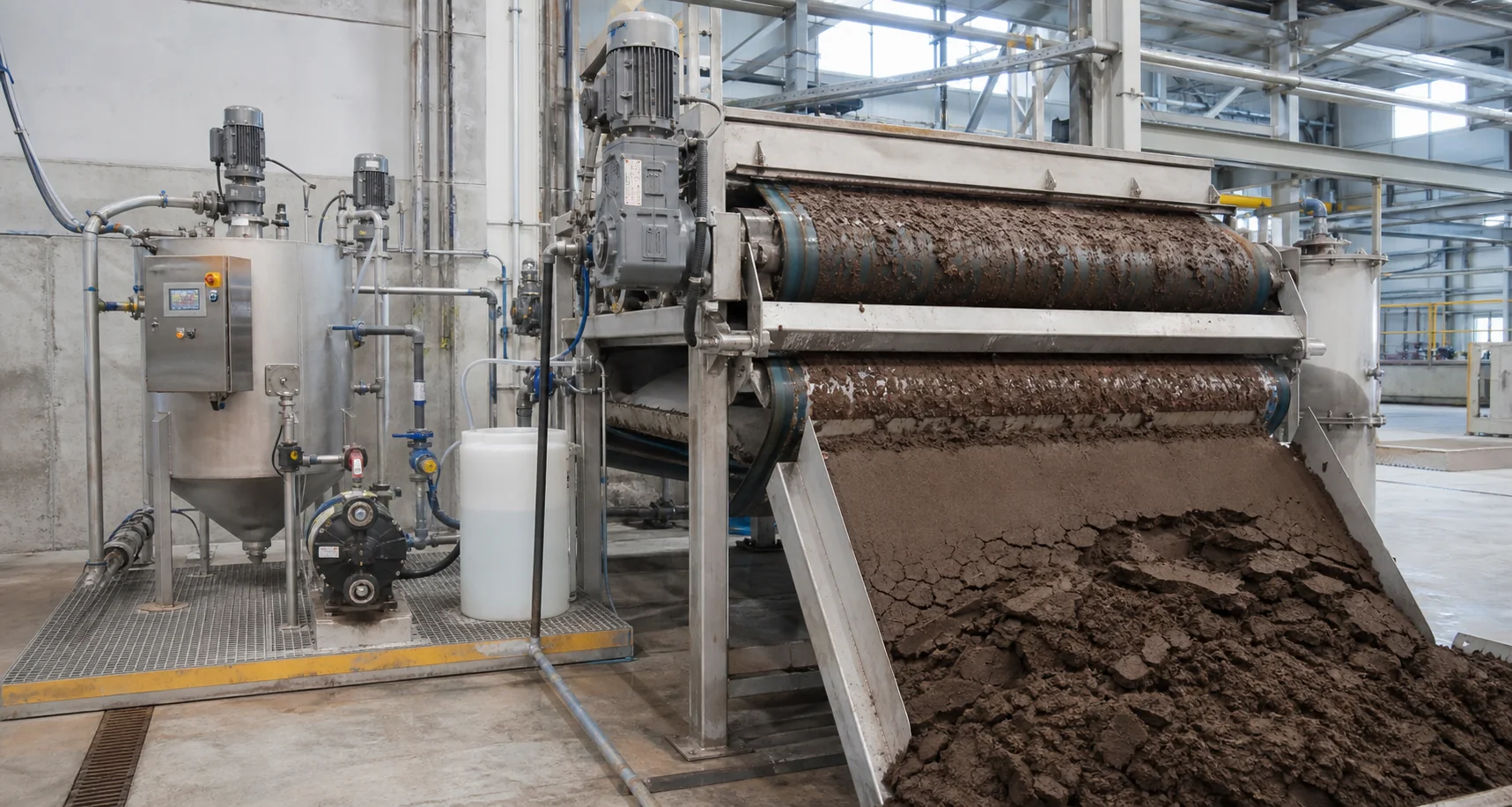
Compare justified coded candidates after realistic preparation and contact. Evaluate drainage and liquid capture, then confirm on the actual dewatering equipment.
The residuals application record separates bench ranking from machine throughput and cake acceptance.
Evaluate the combined treatment value
Preserve the upstream DAF operating point when comparing the second polymer and record the returned liquid. Compare total chemical consumption and handling at a common accepted water-and-solids result.
Do not force one product to serve both duties solely to simplify purchasing if separate evidence shows a substantial operating penalty.
Read a conflicting trial result
A DAF change may improve effluent but produce a float that drains poorly in the press. Review both product duties and the residuals history before blaming the dewatering lot or increasing its dose indefinitely.
Repeat the reference and leading conditions when differences are close to sampling or measurement variability. Keep untested conditions visible in the qualification rather than extending one favorable observation.
Agree the acceptance record
| Buying check | Evidence | Acceptance |
|---|---|---|
| Float | Upstream chemistry and storage | Actual residual represented |
| Conditioning | Drainage and equipment result | Second duty qualified |
| Value | Water and solids consequences | Whole program compared |
Retain the coded sample, preparation, active basis and measurement timing. Preserve failed conditions alongside the accepted range so later deliveries can be compared with the actual evidence.
Request the relevant sample or offer
Send DAF and dewatering records, float analysis, preparation and current consumption. Request a conditioning sample set with the two treatment responsibilities clearly distinguished.
Send the flocculant sample and quotation request and review product and supply requirements with Gongyi Xinqi Polymer Co., Ltd.. Confirm the offered identity, documents and commercial scope before ordering.