
Specify the purchase duty
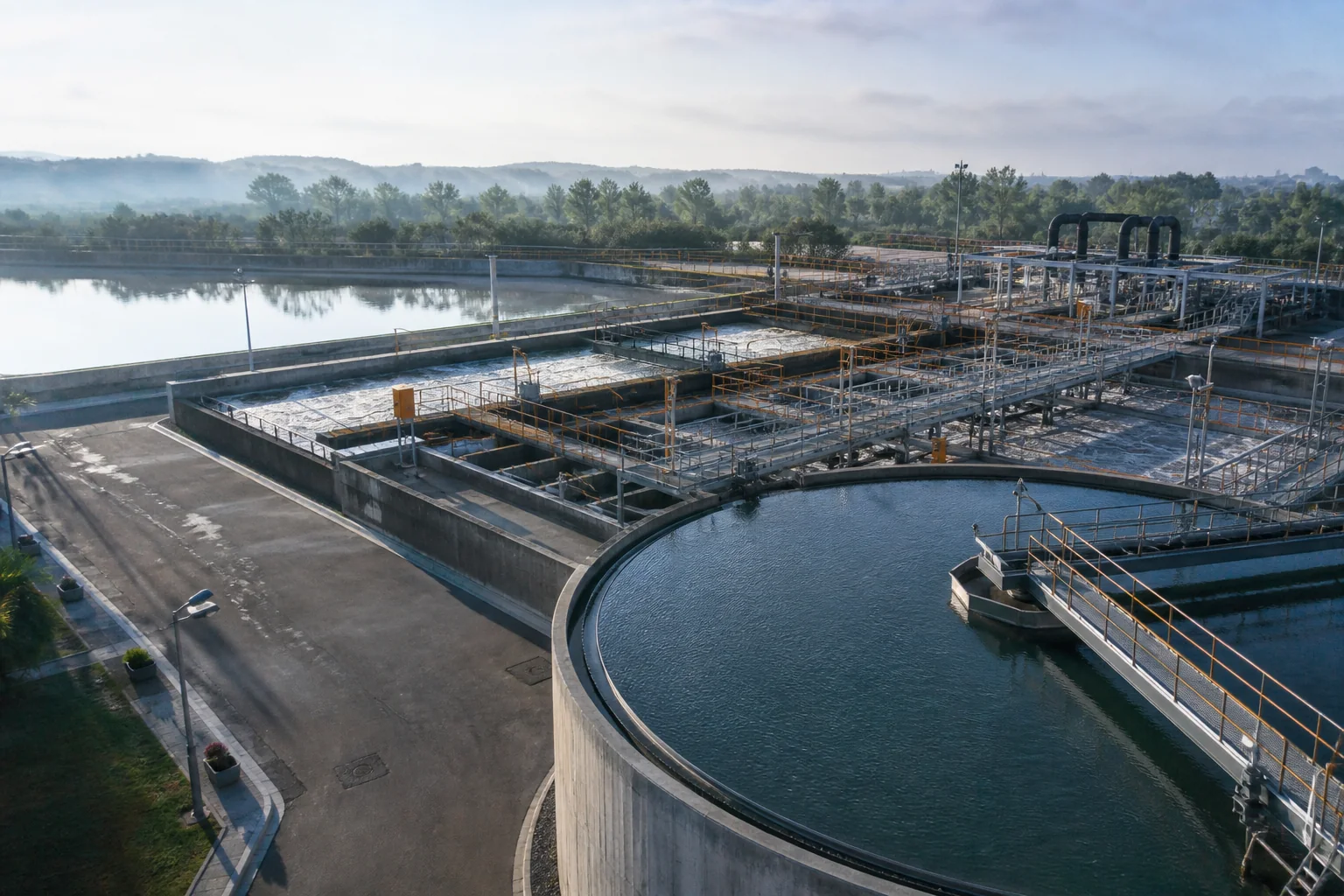
Tertiary polishing is a defined solids-capture duty, not a guarantee that a polymer removes every remaining wastewater constituent. A purchasing screen should connect the upstream particle condition to the final separator or filter. Include the actual reuse or discharge target through the responsible plant team.
Keep the wastewater source, supplied product identity and required separation result together. An application name narrows the enquiry but does not establish a universal grade or dose.
Describe the secondary effluent
Record the source stage, solids or turbidity, pH, temperature, flow and relevant upstream chemical or biological changes. Preserve difficult carryover periods separately from a favorable stable sample.
A low-solids grab may require particularly careful dosing and analytical control before small candidate differences are meaningful.
Reproduce accurate contact and dose
Use calibrated stock preparation and additions, realistic upstream conditioning and feasible injection mixing. Include the existing product or an appropriate blank.
The dose-window record helps identify useful capture without extending addition into harmful carryover.
Approve the receiving filter or process
Compare clarified or filtered water, relevant filter loading, headloss, backwash or other agreed indicators. Verify compatibility requirements for any sensitive downstream equipment separately.
A short-term turbidity improvement cannot establish long-duration fouling behavior or complete dissolved-nutrient removal. Keep those untested responsibilities outside the chemical supply claim.
Read a conflicting trial result
A grade may reduce upstream turbidity but shorten filter runs. Evaluate the combined accepted output and operating cost before describing the lower turbidity alone as the best purchase.
Repeat the reference and leading conditions when differences are close to sampling or measurement variability. Keep untested conditions visible in the qualification rather than extending one favorable observation.
Agree the acceptance record
| Buying check | Evidence | Acceptance |
|---|---|---|
| Feed | Secondary-effluent range | Relevant solids challenge |
| Addition | Calibrated low-dose method | Measurement credible |
| Acceptance | Water plus filter consequences | Whole-train value |
Retain the coded sample, preparation, active basis and measurement timing. Preserve failed conditions alongside the accepted range so later deliveries can be compared with the actual evidence.
Request the relevant sample or offer
Send effluent trends, preparation and dosing details, filter information and final targets. Request a bounded trial with the downstream acceptance and observation period clearly agreed.
Send the flocculant sample and quotation request and review product and supply requirements with Gongyi Xinqi Polymer Co., Ltd.. Confirm the offered identity, documents and commercial scope before ordering.